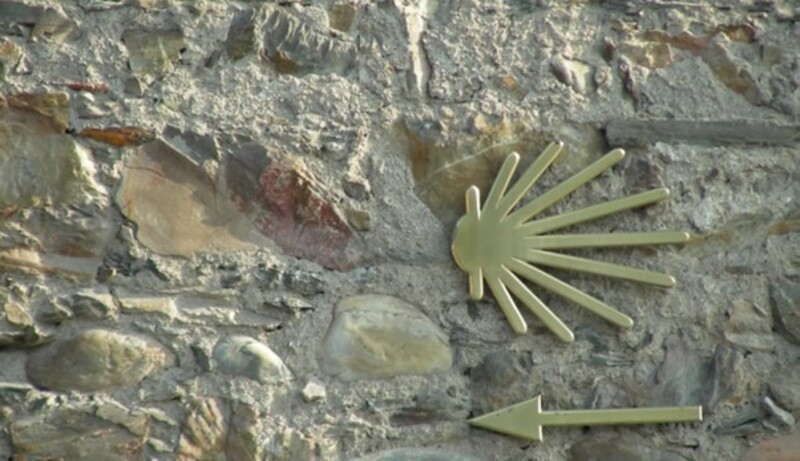
Camino de Santiago is more than just a walk
Camino de Santiago is not simply a hiking route in northern Spain. It is an experience that stays in the body and lingers in the mind long after the walking boots have been put away.
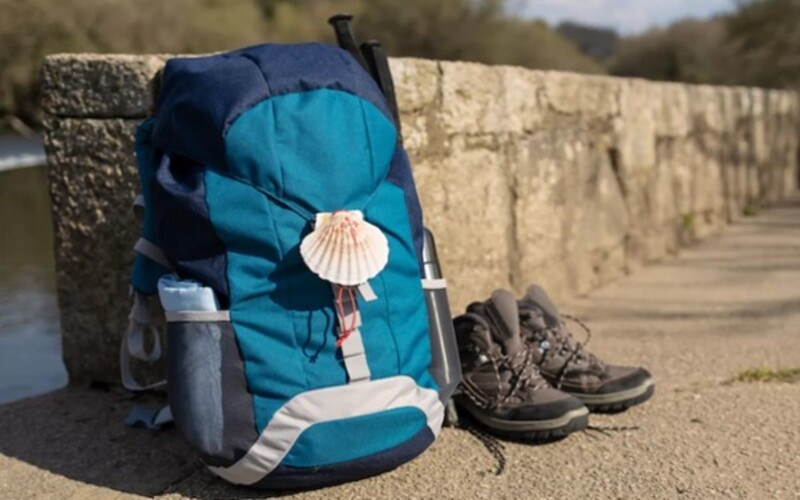
The word Camino simply means “way” or “path”.
Its roots go back to the Middle Ages, when the Camino was one of Europe’s most important pilgrimage routes. At that time, the goal was religious. Today, for many walkers, the religious aspect has moved into the background. Most people choose to walk the Camino for the combination of physical activity, culture, history, nature, and the opportunity to step away from an otherwise busy and demanding everyday life.
The inner and the outer journey
In a modern context, the Camino is often described as both an outer and an inner journey.
The outer journey consists of daily walking stages through landscapes, towns, and historic settings.
The inner journey emerges through the pace, repetition, silence, and the absence of constant choices and distractions.
On the Camino, daily life is reduced to the essentials. It is simply about walking, eating, resting, and then walking again. For many, it is precisely this simplicity that creates calm and leaves room for reflection and new perspectives. Physical and mental boundaries gradually shift, while a sense of peace settles in step by step.
Returning pilgrims often say that walking the Camino leads to:
- less stress and mental unrest
- better sleep and greater mental clarity
- increased self confidence and body awareness.
A walk through Europe’s cultural heritage
Camino de Santiago is not only a personal or physical challenge. It is also a journey through European cultural history.
Along the Camino routes, you pass historic towns, monasteries, bridges, and churches, many of which are listed as UNESCO World Heritage Sites. This recognition is not only due to the monuments themselves, but also to the Camino’s role as a cultural link across Europe for centuries.
Languages, traditions, architecture, and ideas met and merged here across borders, an exchange that can still be felt today as you walk along the ancient Camino paths.
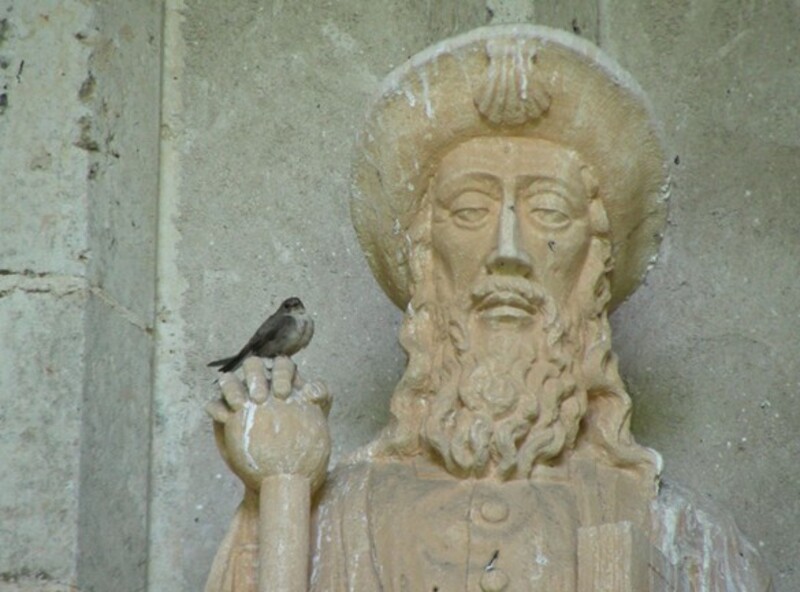
The Camino is not a single route
Although all Camino routes lead to Santiago de Compostela, the experience varies depending on the route you choose.
The routes range from relatively easy walks to physically demanding stages through mountains and along dramatic coastlines. Some routes are very popular, while others are quieter and less travelled.
Among the best-known Camino de Santiago routes are:
- Camino Francés, approx. 775 km The classic route from Saint Jean Pied de Port in France. The most popular and traditional route. Difficulty level is moderate.
- Camino Primitivo, approx. 315 km The original and oldest pilgrimage route. Physically demanding, with fewer pilgrims and less comfort along the way. Difficulty level is moderate to high.
- Camino del Norte, approx. 810 km Follows Spain’s northern coast with dramatic coastal scenery and is especially suited for nature lovers. Difficulty level is moderate to high.
- Camino Portugués, approx. 235 km The Portuguese Camino from Porto to Santiago offers beautiful landscapes, charming towns, and excellent food. It is a very popular route. Difficulty level is easy to moderate.
- Camino Inglés, approx. 118 km A shorter historic route from Ferrol to Santiago de Compostela. Difficulty level is easy to moderate.
- Camino Finisterre, approx. 120 km For those who do not want to stop in Santiago. This route is an extension of other Camino routes and leads towards the so-called end of the world. Difficulty level is easy to moderate.
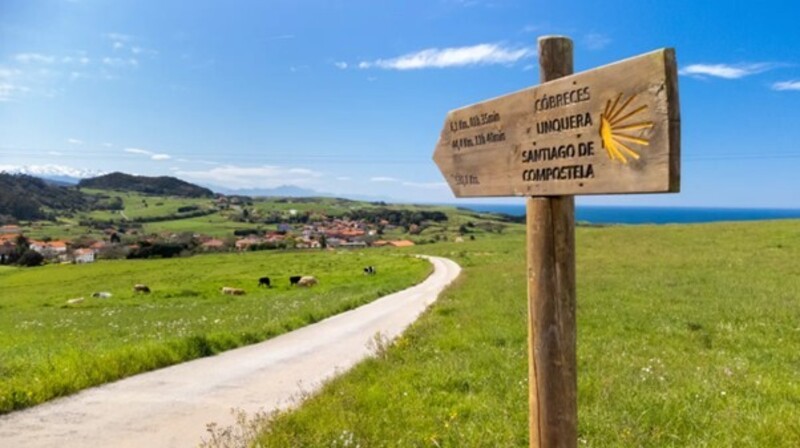
Getting ready – mentally and practically
The best Camino route is not necessarily the most famous, the most beautiful, or the most authentic. It is the one that best matches your motivation, physical condition, and the experience you are looking for.
Many start the Camino with an expectation of change or clear answers. For some, these come during the walk. For others, only after the journey has ended. The Camino promises nothing more than time, space, and calm.
Preparation and planning play an important role in creating a good Camino experience.
When planning your Camino de Santiago there are four aspects that could make the difference between a good and a great experience.
These are:
- physical fitness and experience
- daily stages and walking pace
- season and climate
- the desired comfort level.
Especially for first time pilgrims, planning and preparation can be decisive in ensuring a positive experience.
Experience and local knowledge make a difference
Knowledge of Camino de Santiago, northern Spain, and local conditions can have a significant impact on the overall experience. Small adjustments in route choice, accommodation selection, and handling practical matters along the way can elevate a Camino from good to truly memorable.
For more than 15 years, Spain is More has worked exclusively with travel experiences in northern Spain and Portugal and has built solid expertise in Camino de Santiago. With insight into the routes and the practical challenges along the way, they offer advice based on first hand experience, focusing on realistic solutions and individual needs.
Seek guidance from Spain is More’s experts to find the Camino that suits you best.
The Camino – your way
Walking the Camino through northern Spain can be done on foot or by bike, alone, as a couple, or in small groups. There is “correct” way to walk the Camino. It is truly a personal experience.
When the practical framework is in place, you can focus on what the Camino is ultimately about. Walking long distances, feeling the body at work, and letting the mind slow down, while nature, encounters with others, and the rhythm of the path create an experience that is both physical and mental.
Fatigue, rain, blisters, and unpredictability are part of the journey. So are laughter, presence, and quiet moments.
It is between challenge and joy that the Camino leaves its mark, creating lasting memories and meaningful personal growth.
Find your pilgrimage route with Spain is More here. Buen Camino.