Common Sports Betting Mistakes Ruining Your Profits
Making mistakes is natural when you bet on sports – it's how you learn. But most betting blunders are easy to avoid. They usually happen because of quick decisions or poor record-keeping. You need solid bankroll management, proper research and disciplined decisions to avoid common pitfalls like emotional betting and chasing losses.
This piece breaks down the most common sports betting mistakes you should avoid. You'll learn key betting terms and develop a more strategic mindset. We'll also help you spot value in matches and find a sportsbook that matches your betting style.
Bankroll and Value Mistakes to Avoid
Poor bankroll management destroys more betting careers than anything else worldwide. Most bettors lack a well-laid-out plan and just place wagers whenever games come up. Bettors with original strategies often abandon them during streaks of wins or losses, which leads to overconfidence or panic.
Never chase your losses. This psychological trap makes you try to recover previous losses by placing bigger or riskier bets. The sunk cost fallacy explains this behaviour - we tend to stay irrationally in losing situations hoping to break even. In spite of that, this approach usually creates more losses instead of helping recovery.
Good bankroll discipline requires flat-betting - you should risk only 2-5% of your total bankroll on each wager. For example, a £794 bankroll means each bet should be around £17. On top of that, using consistent unit sizes helps reduce the psychological effect of each bet and encourages rational decision-making.
Sticking to just one bookmaker means missing out on better opportunities. Different sportsbooks offer varying odds on similar events. A line at +6 instead of +5 might seem insignificant, but across 400 yearly bets, finding consistently better odds (even just -105 instead of -110) could add £794 to your profits.
Note that betting success comes from a disciplined, long-term strategy rather than quick recovery.
Emotional and Psychological Traps
Emotions affect sports betting decisions by a lot and can lead to decisions that get pricey. Bettors often fall into mind traps - irrational thought patterns that seem true but aren't. These traps convince people to keep gambling even when warning signs tell them to stop. A gambler's distorted thoughts become stronger as their habit spins out of control.
The "Fear Of Missing Out" (FOMO) pushes many people toward impulsive bets on games or teams they barely know. Winning gives such a rush that it clouds good judgement. Previous results have zero effect on future outcomes, but many ignore this fact—experts call it "the gambler's fallacy".
Chasing losses is probably the most dangerous trap of all. Bettors raise their stakes hoping to win back what they've lost. This behaviour usually leads to bigger financial problems. Statistics show that 98% of bettors lose in the long run.
Strong emotions can trigger betting that overrides logical thinking:
- Anger following a bad beat ("anger betting")
- Boredom (betting purely for entertainment)
- Stress (betting as escape)
- Drinking (lowered impulse control)
Sports bettors show higher rates of binge drinking compared to other gamblers. This creates a dangerous cycle. Alcohol makes it harder to process information. Bettors focus only on possible rewards and ignore the risks when drinking.
A healthier, more disciplined approach to betting becomes possible only when we are willing to spot these emotional traps. Good bankroll management alone isn't enough.
Strategy and Knowledge Gaps
Limited sports knowledge often ruins betting success. Each sport has its own unique patterns, scoring systems, and metrics that you need different betting strategies for. A bettor who uses basketball's fast-paced logic in football might overestimate scoring while missing vital elements like clock management.
The gambler's fallacy creates problems too. This wrong belief makes people think past results affect future outcomes, which pushes bettors to expect wins after losing streaks. This mindset caused millions in losses at a Monte Carlo casino in 1913 when players kept betting on red after black showed up 26 times straight.
Bettors often skip the work to be done before placing their bets. Smart betting needs deep analysis of stats, team chemistry, injuries, weather, and past results. So betting on sports you don't know well leads to bad choices and missed chances.
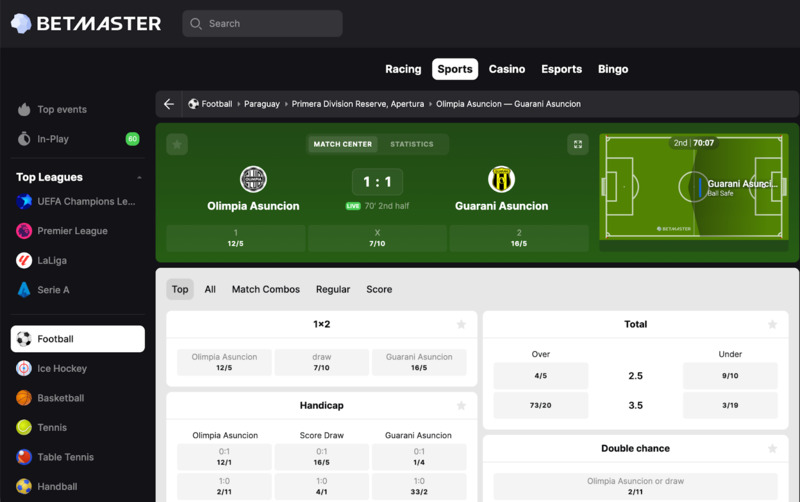
It also helps to pick a platform that supports review and discipline. A sportsbook from Betmaster, tailored for beginners and seasoned bettors, makes it easier to track your bets, check deposits and withdrawals, and spot patterns like rushed wagering or stake creep. When you can actually see your habits, it’s much easier to correct them before they cost you money.
Betting terminology plays a vital role too. Words like "action," "chalk," "cover," and "backdoor cover" create a special language between bettors and bookmakers. Smart bettors spread their wagers in a variety of sports, leagues, and markets to protect themselves - a losing run in one sport won't wipe out their whole bankroll.
Discipline matters most. You should limit single bets to 3% of your total bankroll and track results to see which strategies actually work.
Conclusion
Success in sports betting comes down to avoiding common pitfalls that separate winners from losers. In this piece, we got into how poor bankroll management, emotional decisions, and lack of knowledge create major roadblocks to making money.
Without doubt, disciplined bankroll management is the most significant lesson to learn. The 1-5% rule per bet helps you stay in the game and protects your money during losing streaks. On top of that, it makes sense to look for the best odds from multiple bookmakers instead of sticking to one platform.
Your betting career can fall apart due to psychological traps like chasing losses, FOMO, and anger betting. You need to spot your emotional triggers just as much as you need to understand the sports. Drinking before placing bets clouds your judgement and leads to a cycle of bad decisions.
Knowledge gives you an edge in betting markets. You should research team dynamics, injury reports, weather conditions and past trends before risking your money. Each sport needs its own strategy - what works in football might not work in basketball.
Note that betting success just needs patience and discipline. While 98% of bettors lose in the long run, this number mostly reflects people who make these common mistakes. You can join the profitable minority by building solid strategies, keeping your emotions in check, and taking a methodical approach rather than padding the bookmakers' profits.